Introduction
Protein is one of the most essential nutrients for the human body, especially for individuals who want to build muscle, improve strength, and maintain overall health. It plays a vital role in repairing body tissues, producing enzymes and hormones, and supporting muscle growth and maintenance. For people involved in physical activities such as gym workouts, sports, or bodybuilding, protein becomes even more important because muscles experience stress during exercise and require proper nutrition to recover and grow stronger.
Importance of Protein for Muscle Building

Role of Protein in Muscle Growth
Muscle building occurs when muscle fibers experience small tears during exercise, particularly during strength training or weightlifting. The body repairs these fibers during recovery, making them stronger and larger than before. Protein provides the amino acids needed for this repair and growth process. Without sufficient protein intake, the body cannot efficiently rebuild muscle tissues, which may slow down muscle development and recovery.
Protein and Recovery After Exercise
Protein also plays a major role in post-workout recovery. After intense exercise, muscles need nutrients to repair damaged fibers and restore energy. Consuming adequate protein helps reduce muscle soreness, supports faster recovery, and prepares the muscles for the next training session.
Maintaining a Positive Nitrogen Balance
Another important aspect of protein in muscle building is maintaining a positive nitrogen balance in the body. Since protein contains nitrogen, consuming enough protein helps the body stay in a state where muscle growth can occur. A positive nitrogen balance indicates that the body is building more tissue than it is breaking down, which is essential for gaining lean muscle mass.
Why Athletes and Gym Beginners Use Protein Supplements

Meeting Daily Protein Requirements
Athletes, bodybuilders, and gym beginners often use protein supplements to meet their daily protein requirements. While natural foods such as eggs, chicken, fish, milk, beans, and nuts are excellent sources of protein, it can sometimes be difficult to consume enough protein through regular meals alone—especially for people with demanding workout routines or busy schedules.
Convenience and Quick Absorption
Protein supplements offer a convenient way to increase protein intake. They are easy to prepare, quick to consume, and many types are rapidly absorbed by the body. This makes them especially useful after workouts when the body needs immediate nutrients for muscle repair and recovery.
Support for Beginners Starting Fitness Journeys
For gym beginners, protein supplements can help ensure they receive adequate nutrition while adjusting to a new workout routine. They can support muscle recovery, reduce fatigue, and help beginners stay consistent with their fitness goals.
Overview of the Article
What This Article Will Cover
This article will explore the role of protein in muscle building and athletic performance. It will discuss how protein supports muscle growth, the benefits of protein supplements, and the different types of protein available. It will also provide guidance on choosing the right protein supplement and explain how athletes and beginners can use protein effectively to support their fitness goals.
What Are Protein Supplements?
Definition of Protein Supplements
Protein supplements are concentrated sources of protein designed to help individuals increase their daily protein intake. They are commonly available in forms such as powders, shakes, bars, and ready-to-drink beverages. These supplements are typically made from protein-rich sources like milk (whey or casein), eggs, soy, peas, or rice.
Protein supplements are widely used by athletes, bodybuilders, and fitness enthusiasts who want a convenient way to meet their nutritional needs. They are especially useful for people who have higher protein requirements due to intense physical activity or muscle-building goals.
How Protein Supplements Support Muscle Growth and Recovery
Protein supplements support muscle growth by providing essential amino acids, which are the building blocks of muscle tissue. During exercise—particularly strength training—muscle fibers experience small tears. The body repairs these fibers using amino acids from protein, which helps muscles grow stronger and larger over time.
Consuming protein supplements after workouts can help speed up the recovery process. They provide quick-digesting protein that helps repair damaged muscle fibers, reduce muscle soreness, and replenish nutrients lost during exercise. As a result, athletes can recover faster and maintain consistent training performance.
Role of Amino Acids in Muscle Repair
Amino acids, especially essential amino acids such as branched-chain amino acids (BCAAs), play a key role in muscle repair and growth. Protein supplements often contain high levels of these amino acids, making them effective for supporting muscle recovery after intense workouts.
Difference Between Whole-Food Protein and Supplements
Whole-Food Protein Sources
Whole-food protein comes from natural foods such as chicken, fish, eggs, dairy products, beans, lentils, nuts, and seeds. These foods not only provide protein but also supply other important nutrients like vitamins, minerals, and healthy fats that contribute to overall health.
Protein Supplements
Protein supplements, on the other hand, are processed products designed to deliver a concentrated amount of protein in a convenient form. They are easy to prepare and consume, especially for people with busy lifestyles or those who struggle to meet their protein needs through regular meals.
Key Differences
The main difference between whole-food protein and supplements is nutritional completeness and convenience. Whole foods offer a wider range of nutrients, while supplements primarily focus on delivering protein quickly and efficiently. For optimal health and muscle development, protein supplements are usually recommended as a complement to a balanced diet rather than a replacement for whole foods.
Why Protein Is Important for Muscle Gain
Protein is a key nutrient for anyone aiming to build muscle and improve physical performance. During strength training or resistance exercises, muscles experience small amounts of damage. The body repairs these muscle fibers using protein, allowing them to grow stronger and larger over time. Without adequate protein intake, the muscle repair process slows down, which can limit strength gains and muscle development.
Role of Amino Acids in Muscle Repair
Amino acids are the building blocks of protein and play a crucial role in repairing and rebuilding muscle tissue. When you consume protein, your body breaks it down into amino acids that are used to repair damaged muscle fibers after exercise.
Essential amino acids, which the body cannot produce on its own, are particularly important for muscle recovery. These amino acids help stimulate muscle protein synthesis—the process through which the body builds new muscle tissue. Adequate intake of amino acids ensures that muscles recover properly and adapt to training stress.
How Protein Supports Muscle Hypertrophy
Muscle hypertrophy refers to the increase in muscle size that occurs through consistent strength training combined with proper nutrition. Protein supports hypertrophy by providing the nutrients necessary for muscle protein synthesis.
After resistance training, the body enters a recovery phase where it rebuilds muscle fibers. If enough protein is consumed, the body can repair these fibers and make them thicker and stronger. Over time, repeated cycles of training and recovery lead to noticeable muscle growth.
Protein and Training Adaptation
Protein also helps the body adapt to increasing levels of physical stress. As workouts become more intense, the body requires more protein to support muscle repair, maintain lean muscle mass, and improve overall strength.
Recommended Daily Protein Intake for Muscle Growth
The recommended daily protein intake for muscle growth is generally higher than the standard dietary requirement for the average person. For individuals involved in regular strength training, experts often recommend consuming approximately 1.6 to 2.2 grams of protein per kilogram of body weight per day.
For example:
- A person weighing 70 kg may require around 112–154 grams of protein daily for optimal muscle growth.
This amount helps support muscle repair, maintain lean muscle mass, and promote efficient recovery after workouts.
Protein Needs for Beginners vs Advanced Lifters
Protein requirements can vary depending on a person’s training experience and workout intensity.
Beginners
Beginners who are new to resistance training often experience rapid muscle adaptations. Their protein needs are important but usually fall within the lower end of the recommended range. Consuming balanced meals with adequate protein can often meet their needs, sometimes with the help of supplements.
Advanced Lifters
Advanced lifters or experienced athletes typically train with higher intensity and volume. Because their muscles experience greater stress during workouts, they often require protein intake closer to the higher end of the recommended range to support recovery, maintain muscle mass, and continue progressing in strength and size.
In both cases, spreading protein intake evenly throughout the day—through meals and snacks—can help maximize muscle protein synthesis and support consistent muscle growth.
Types of Protein Supplements
Protein supplements come in several forms, each with different digestion speeds, sources, and benefits. Choosing the right type depends on dietary preferences, fitness goals, and how the body responds to different protein sources.
4.1 Whey Protein
What Whey Protein Is
Whey protein is one of the most popular protein supplements used by athletes and gym-goers. It is derived from milk during the cheese-making process and contains all essential amino acids required for muscle growth. Whey protein is known for its fast digestion and high absorption rate, making it ideal for post-workout recovery.
Whey Concentrate vs Isolate vs Hydrolysate
- Whey Protein Concentrate (WPC):
Contains about 70–80% protein along with small amounts of fats and carbohydrates. It is the most common and affordable form of whey protein. - Whey Protein Isolate (WPI):
A more refined form containing about 90% or more protein. It has very little lactose, fat, and carbohydrates, making it suitable for people who are lactose-sensitive. - Whey Protein Hydrolysate (WPH):
This type is partially broken down through a process called hydrolysis, allowing it to be absorbed more quickly by the body. It is often used in medical protein supplements and advanced sports nutrition products.
Benefits for Muscle Growth
Whey protein supports muscle growth by providing a high amount of essential amino acids and branched-chain amino acids (BCAAs). Its fast absorption helps stimulate muscle protein synthesis after workouts, making it effective for muscle recovery and development.
4.2 Casein Protein
Slow Digestion Benefits
Casein protein is another protein derived from milk, but it digests much more slowly than whey protein. This slow digestion allows amino acids to be released gradually into the bloodstream over several hours, providing a steady supply of nutrients to the muscles.
Best Time to Consume (Before Bed)
Because of its slow digestion rate, casein protein is commonly consumed before bedtime. It helps supply the body with protein during sleep, which supports overnight muscle repair and prevents muscle breakdown.
4.3 Plant-Based Protein
Plant-based protein supplements are derived from plant sources and are ideal for people who follow vegetarian or vegan diets or those who cannot tolerate dairy products.
Pea Protein
Pea protein is made from yellow split peas and is rich in essential amino acids. It is easily digestible and suitable for individuals with dairy or soy allergies.
Soy Protein
Soy protein is a complete plant-based protein that contains all essential amino acids. It is widely used in vegetarian diets and supports muscle growth similarly to some animal-based proteins.
Rice Protein
Rice protein is typically made from brown rice and is often combined with other plant proteins to create a more balanced amino acid profile.
Benefits for Vegans and Lactose-Intolerant Users
Plant-based proteins provide an excellent alternative for people who avoid animal products or are lactose intolerant. They support muscle growth, improve recovery, and are generally easier to digest for individuals sensitive to dairy-based proteins.
4.4 Egg Protein
High Biological Value
Egg protein is derived from egg whites and is known for its high biological value, meaning the body can efficiently use it for muscle repair and growth. It contains all essential amino acids and is considered one of the highest-quality protein sources.
Good Alternative to Dairy Proteins
Egg protein supplements are a great option for individuals who cannot consume dairy-based proteins like whey or casein. They provide high-quality protein without lactose and support muscle growth, recovery, and overall athletic performance.
Best Protein Supplements for Muscle Gain
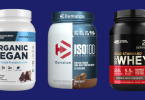
Choosing the right protein supplement can help support muscle growth, improve recovery, and meet daily protein needs more easily. Below are some of the most popular protein supplements used by athletes and gym beginners.
5.1 Optimum Nutrition Gold Standard 100% Whey
Key Features
- One of the world’s best-selling whey protein powders.
- Made with a blend of whey protein isolate, concentrate, and hydrolyzed whey.
- Mixes easily and comes in many flavors.
- Contains naturally occurring branched-chain amino acids (BCAAs).
Protein Content
Each serving provides about 24 grams of high-quality whey protein and around 5.5 grams of BCAAs, which help support muscle repair and growth.
Pros
- High-quality protein source
- Fast absorption for post-workout recovery
- Low fat and sugar
- Widely trusted brand
Cons
- More expensive than some beginner options
- Contains dairy, so it may not suit people with lactose intolerance
5.2 MuscleTech Nitro-Tech Whey Protein
Muscle-Building Formula
This supplement is designed specifically for muscle building. It contains high-quality whey protein along with added ingredients that support strength and performance.
Added Creatine Benefits
Many versions of Nitro-Tech include added creatine, which helps improve strength, power, and muscle size. Creatine supports energy production during intense workouts and can enhance overall training performance.
Pros
- Supports both muscle growth and strength
- Contains additional performance ingredients
- High protein per serving
Cons
- Usually more expensive than standard whey protein
- Some formulas contain artificial flavors or sweeteners
5.3 Dymatize ISO100 Hydrolyzed Whey Protein Isolate
Hydrolyzed Whey Isolate
This protein supplement is made with hydrolyzed whey protein isolate, meaning the protein is partially broken down for faster digestion and absorption.
Benefits for Fast Absorption
Because of its rapid absorption, it is commonly used immediately after workouts when muscles need quick nutrients for recovery. It is also low in fat, carbohydrates, and lactose, making it easier to digest for many people.
Pros
- Very fast digestion and absorption
- High protein purity
- Low lactose content
Cons
- Higher price compared to regular whey proteins
- Limited calories, so not ideal for people trying to gain weight quickly
5.4 BSN Syntha‑6 Protein Powder
Multi-Protein Blend
This supplement contains a blend of several protein sources, including whey protein concentrate, isolate, and casein. The combination provides both fast and slow-digesting proteins.
Good for Meal Replacement
Because it contains protein along with some carbohydrates and fats, Syntha-6 is often used as a meal replacement shake or a high-calorie snack for individuals trying to gain muscle mass.
Pros
- Balanced blend of proteins
- Good taste and texture
- Provides sustained protein release
Cons
- Higher calories than pure whey protein
- Not ideal for people following strict low-carb diets
5.5 Myprotein Impact Whey Protein
Affordable Option
This supplement is known for being budget-friendly while still providing good-quality whey protein. It is widely used by students, beginners, and people new to fitness.
Popular Among Beginners
Myprotein Impact Whey offers a simple formula that focuses on providing protein for muscle recovery and growth without many extra ingredients.
Pros
- Affordable and widely available
- Good protein quality
- Large variety of flavors
Cons
- Slightly lower protein percentage than premium isolates
- Some flavors may mix less smoothly
You may also like to read these posts:
Tech Giant Google Launches Budget-Friendly Pixel 10a
Dog Care Tips: Essential Guide for a Happy and Healthy Pet
Pet Dental Care Tips: Keep Your Dog and Cat’s Teeth Healthy
Beginner’s Guide to Whey Protein: Benefits, Types & How to Use
How to Choose the Right Protein Supplement
With many protein supplements available in the market, selecting the right one can be challenging. Understanding key factors such as protein content, ingredients, dietary needs, price, and brand reliability can help you make a better choice.
Check Protein Per Serving
One of the first things to check when choosing a protein supplement is the amount of protein per serving. A high-quality protein powder typically provides around 20–30 grams of protein per serving, which is considered ideal for supporting muscle repair and growth.
You should also compare the protein amount with the total serving size. For example, if a 30-gram scoop contains 24–25 grams of protein, it indicates a high protein concentration and better quality.
Look for Quality Ingredients
Reading the ingredient label is important when selecting a protein supplement. A good protein powder should contain:
- High-quality protein sources (such as whey isolate, casein, or plant proteins)
- Essential amino acids for muscle growth
- Minimal added sugars and fillers
Experts also recommend choosing products with simple ingredient lists and fewer artificial additives, as excessive sweeteners or fillers may cause digestive issues.
Consider Dietary Restrictions
Dietary preferences and allergies should also guide your choice. For example:
- Lactose intolerant individuals may prefer whey isolate or plant-based proteins.
- Vegans or vegetarians can choose pea, soy, or rice protein supplements.
- People with soy or dairy allergies should carefully read labels to avoid allergens.
Selecting a protein source that matches your dietary needs ensures better digestion and overall health.
Budget Considerations
Protein supplements come in a wide price range. Some premium brands offer advanced formulas and additional ingredients, while more affordable options provide basic protein for daily use.
When evaluating price, consider the cost per serving and the amount of protein you receive rather than only looking at the package price. A slightly more expensive product may provide better value if it offers higher protein content and quality ingredients.
Brand Reputation and Reviews
The reputation of the brand is another important factor. Reliable brands often:
- Provide clear nutrition labels
- Use third-party testing for quality and safety
- Have positive customer reviews and athlete endorsements
Independent certifications such as NSF Certified for Sport or other quality seals can also indicate that the product has been tested for purity and label accurac
Faqs:
How much protein should I take daily for muscle gain?
For most people, consuming 1.6–2.2 grams of protein per kilogram of body weight per day is ideal for building muscle. This includes protein from both food and supplements.
Which protein supplement is best for beginners?
Whey protein is usually the best choice for beginners because it’s fast-digesting, rich in amino acids, and easy to mix. Brands like Optimum Nutrition Gold Standard Whey are very popular.
Can I gain muscle without protein supplements?
Yes, you can gain muscle through whole foods alone, such as chicken, eggs, fish, dairy, legumes, and nuts. Supplements are just a convenient way to meet your daily protein needs.
When is the best time to take protein for muscle growth?
The best times are after workouts to support recovery, in the morning to break the overnight fast, and before bed if you’re using slow-digesting proteins like casein.
Are there any side effects of protein supplements?
Most people tolerate protein supplements well. However, excessive intake can cause digestive issues, bloating, or kidney strain in rare cases. Always follow the recommended serving size and stay hydrated.
Conclusion
Protein is a key building block for muscle growth, and while whole foods should form the foundation of your diet, protein supplements can make it easier to meet your daily protein needs. Whether you choose whey, casein, or plant-based protein, the right supplement can support faster recovery, increase lean muscle mass, and improve workout performance.
Remember, no supplement alone will build muscle—consistent strength training, proper nutrition, and adequate rest are equally important. Start with a high-quality protein supplement that fits your dietary needs and fitness goals, and stay consistent. Over time, you’ll see the results you’re aiming for.