
Introduction
Protein isn’t just important for building muscle—it also plays a key role in weight loss and fat management. A diet rich in protein can help preserve lean muscle mass, increase satiety, and boost metabolism, making it easier to reduce body fat while maintaining strength and energy.
For individuals trying to lose weight, protein powders offer a convenient and efficient way to meet daily protein requirements, especially when preparing low-calorie meals can be challenging. They help keep you full for longer, reduce cravings, and support healthy muscle maintenance during calorie restriction.
Overview of the Blog
This blog will cover:
- Why protein is essential for weight loss
- How protein powder can support fat loss
- Different types of protein powders suitable for weight loss
- Tips for choosing the right protein supplement for your goals
- Suggested timing and usage for optimal results
2. Why Protein Is Essential for Weight Loss
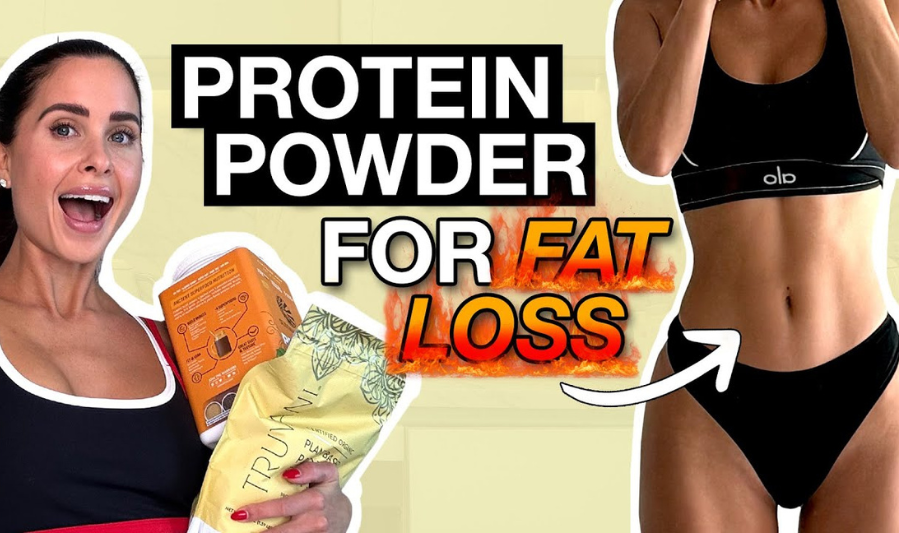
Protein supports fat loss through several mechanisms:
- Increases satiety: Protein-rich foods and shakes help you feel fuller longer, reducing overall calorie intake.
- Preserves muscle mass: When losing weight, it’s important to maintain lean muscle. Adequate protein helps prevent muscle loss while promoting fat loss.
- Boosts metabolism: Protein has a higher thermic effect than fats or carbs, meaning the body burns more calories digesting it.
Including protein in your diet—whether through whole foods or protein powder—can make weight loss easier, more sustainable, and healthier.
Why Protein Is Essential for Weight Loss
Protein is a cornerstone of effective and sustainable weight loss. Unlike fats or carbohydrates, protein offers multiple benefits that help you burn fat while maintaining muscle and feeling satisfied between meals.
Role of Protein in Satiety (Feeling Full)
One of the key benefits of protein for weight loss is its ability to increase satiety, meaning it helps you feel full for longer. Protein influences hormones such as ghrelin (the hunger hormone) and peptide YY, which regulate appetite.
- Eating a protein-rich meal or shake reduces overall calorie intake because you are less likely to snack or overeat.
- Studies have shown that high-protein diets can reduce cravings and late-night snacking, making it easier to stick to a calorie deficit.
How Protein Boosts Metabolism (Thermic Effect of Food)
Protein has a higher thermic effect of food (TEF) compared to fats and carbohydrates. This means your body burns more calories digesting, absorbing, and processing protein.
- Approximately 20–30% of calories from protein are used in digestion, whereas carbs use about 5–10% and fats only 0–3%.
- Including sufficient protein in your diet can slightly increase calorie expenditure, contributing to fat loss over time.
Protein’s Role in Muscle Preservation During Calorie Deficit
When you reduce calories for weight loss, your body risks breaking down muscle tissue for energy. Maintaining adequate protein intake is critical to:
- Preserve lean muscle mass while losing fat
- Support strength and performance during workouts
- Improve body composition by ensuring that most of the weight lost comes from fat, not muscle
This is especially important for those doing resistance training or high-intensity workouts during weight loss.
Recommended Daily Protein Intake for Weight Loss
Protein needs for weight loss are generally higher than standard dietary requirements to support satiety and muscle preservation. Experts typically recommend:
- 1.6–2.2 grams of protein per kilogram of body weight per day for adults in a calorie deficit
- For example, a person weighing 70 kg may aim for 112–154 grams of protein daily
Spacing protein intake evenly throughout the day—through meals, snacks, or protein shakes—can further enhance fullness, maintain muscle, and optimize fat loss.
How Protein Powder Helps with Weight Loss
Protein powders are a practical and effective tool for supporting fat loss. When used correctly, they can make it easier to meet protein goals, control appetite, and maintain muscle while in a calorie deficit.
Convenient Way to Meet Protein Needs
One of the biggest challenges during weight loss is getting enough protein without consuming excess calories. Protein powders provide a quick and easy solution, allowing you to boost your daily protein intake without preparing large amounts of food.
- A single scoop typically provides 20–30 grams of high-quality protein.
- This is especially useful for busy individuals, gym-goers, or those who struggle to eat enough protein from whole foods alone.
Helps Reduce Cravings and Snacking
Protein powders can help control hunger and reduce cravings between meals.
- High-protein shakes promote satiety, meaning you feel fuller longer.
- By curbing mid-day or late-night snacking, protein shakes make it easier to maintain a calorie deficit, which is essential for fat loss.
Supports Post-Workout Recovery
Even during a calorie deficit, exercise—especially resistance training—requires adequate protein to repair and maintain muscle tissue.
- Consuming a protein shake after a workout provides essential amino acids quickly to your muscles.
- This helps preserve lean muscle mass while burning fat, improving your overall body composition.
Can Be Used as a Meal Replacement
Protein powders can also be incorporated as meal replacements or low-calorie snacks.
- Replace one meal with a protein shake combined with fruits, vegetables, or healthy fats for a balanced, nutrient-rich option.
- This approach can help reduce overall calorie intake without feeling deprived.
Improves Body Composition (More Muscle, Less Fat)

The combined benefits of protein—satiety, muscle preservation, and thermic effect—can lead to better body composition.
- Maintaining or building lean muscle during weight loss boosts metabolism, making fat loss more efficient.
- Protein powders support both fat reduction and muscle retention, helping you achieve a toned and stronger physique.
Best Protein Powders for Weight Loss
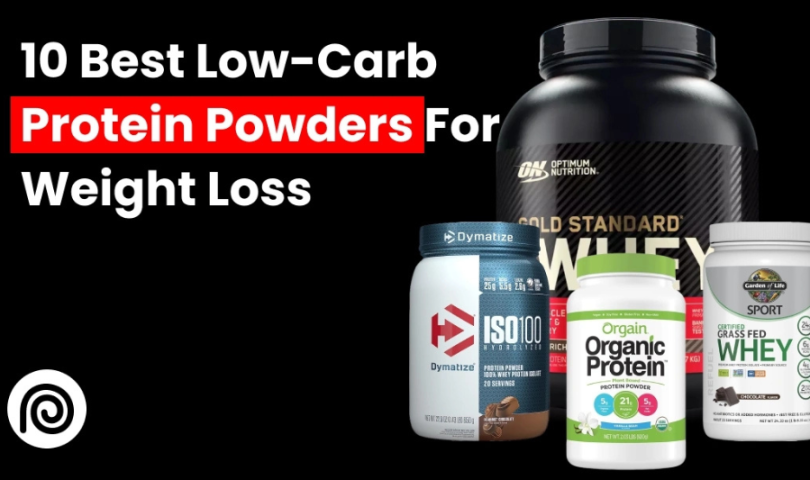
When choosing a protein powder to support weight loss, it’s important to focus on high protein content, minimal added sugars, and quality ingredients. Below are some popular options that fit different needs—from fast‑absorbing whey to plant‑based choices.
Optimum Nutrition Gold Standard 100% Whey
Why it’s good for weight loss:
- High in protein with minimal added sugars and fats
- Fast‑digesting whey ideal for post‑workout recovery
- Contains BCAAs to help preserve lean muscle
Perfect for people who want a reliable, well‑rounded protein that supports both fat loss and muscle maintenance.
Dymatize ISO100
Why it’s good for weight loss:
- Made from hydrolyzed whey protein isolate for fast absorption
- Very low in carbohydrates and fats
- Low lactose content, making it gentle on digestion
Great for those who want lean, clean protein with quick uptake after workouts to preserve muscle while dieting.
Myprotein Impact Whey Protei
Why it’s good for weight loss:
- Budget‑friendly option with solid protein per scoop
- Simple formula with minimal fillers
- Many flavors available
Ideal for beginners or anyone looking for an affordable yet effective protein powder to help meet daily protein targets.
Orgain Organic Plant‑Based Protein
Why it’s good for weight loss:
- Made from plant proteins like pea, brown rice, and chia
- No dairy — suitable for vegans and lactose‑intolerant users
- Typically lower in calories and easy to mix into smoothies
Best choice for people who follow a plant‑based diet or prefer dairy‑free protein while managing weight.
BSN Syntha‑6 Protein Powder
Why it’s good for weight loss:
- Multi‑protein blend provides both fast and slow‑digesting proteins
- Rich taste and creamy texture
- Can be used as a meal replacement or snack
Good for those who prefer a fuller, more satisfying shake that keeps them feeling full between meals—but note it’s slightly higher in calories compared to pure whey isolates.
💡 Quick Comparison for Weight Loss Goals
| Protein Powder | Digest Speed | Best For | Notes |
|---|---|---|---|
| Optimum Nutrition Gold Standard Whey | Fast | Overall use | Balanced choice for most lifters |
| Dymatize ISO100 | Very fast | Lean muscle & fat loss | Pure protein, minimal extras |
| Myprotein Impact Whey | Fast | Budget‑friendly | Great value protein |
| Orgain Plant‑Based Protein | Medium | Vegan/dairy‑free | Clean plant option |
| BSN Syntha‑6 | Mixed | Meal replacement | More calories, more filling |
How to Use Protein Powder for Weight Loss
Using protein powder effectively can help you lose fat, preserve muscle, and manage hunger. Here are some practical ways to incorporate protein shakes into your weight loss plan.
Replace 1–2 Meals with Shakes
- Protein shakes can serve as a low-calorie meal replacement for breakfast, lunch, or dinner.
- Replacing a high-calorie meal with a protein shake helps you reduce overall calorie intake without feeling deprived.
- To make the shake more filling, you can add a small portion of healthy fats (like nut butter) or fiber-rich ingredients.
Post-Workout Consumption
- Consuming a protein shake after exercise provides fast-digesting amino acids to your muscles.
- This supports muscle repair and recovery while preventing muscle loss during a calorie deficit.
- A post-workout shake with 20–30 grams of protein is generally sufficient for most people.
You may also like to read these posts:
Tech Giant Google Launches Budget-Friendly Pixel 10a
Dog Care Tips: Essential Guide for a Happy and Healthy Pet
Pet Dental Care Tips: Keep Your Dog and Cat’s Teeth Healthy
Beginner’s Guide to Whey Protein: Benefits, Types & How to Use
Between Meals to Reduce Cravings
- Drinking a protein shake as a mid-morning or mid-afternoon snack can help curb hunger and reduce cravings.
- By stabilizing blood sugar and promoting satiety, shakes make it easier to stick to a calorie-controlled diet.
Combining Shakes with Fruits or Vegetables for Extra Fiber
- Adding fruits, vegetables, or seeds to your protein shakes increases fiber content, which further enhances fullness and supports digestive health.
- Examples include:
- Spinach or kale
- Berries or banana slices
- Chia seeds or flaxseeds
- Fiber slows digestion slightly, providing longer-lasting energy and reduced snacking.
Faqs:
How much protein powder should I take to lose weight?
Most people benefit from 20–30 grams of protein per serving, 1–2 times per day. Total daily protein should be 1.6–2.2 grams per kilogram of body weight to preserve muscle while losing fat.
Can protein powder alone help me lose weight?
No, protein powder is a supplement, not a magic solution. It helps reduce appetite, boost metabolism, and preserve muscle, but calorie control and regular exercise are essential for effective weight loss.
Which protein powder is best for weight loss?
Whey isolate, casein, and plant-based powders like Optimum Nutrition Gold Standard Whey, Dymatize ISO100, or Orgain Plant Protein are great options because they are high in protein, low in sugar, and low in fat.
Can plant-based protein help me lose weight?
Yes! Plant-based proteins like pea, rice, and soy protein are effective for weight loss, especially for vegetarians or lactose-intolerant individuals, as they are low-calorie, nutrient-dense, and keep you full.
When is the best time to take protein powder for weight loss?
Morning: Helps control appetite
Post-workout: Supports muscle recovery
Between meals: Reduces cravings
Before bed: Use casein for slow digestion and overnight muscle support
Conclusion
Protein powder is a powerful tool for weight loss when used alongside a balanced diet and regular exercise. It helps you feel full, preserve lean muscle, and support fat loss, making it easier to achieve your weight loss goals.
Whether you choose whey, casein, or plant-based protein, the key is to select a high-quality powder that fits your dietary needs and lifestyle. Remember, consistent workouts, calorie control, and proper nutrition are just as important as your supplement choice.