
Introduction
Energy is essential for daily productivity, mental focus, and overall health. Without sufficient energy, even routine tasks can feel exhausting, and cognitive performance, mood, and physical activity may suffer.
Fatigue and low energy can result from a variety of factors, including nutrient deficiencies, poor diet, stress, sleep deprivation, and lifestyle habits. Over time, these factors can affect both physical and mental well-being.
Vitamins and minerals play a crucial role in supporting energy production at the cellular level. They act as cofactors in metabolic pathways that convert food into usable energy, help maintain red blood cell function, and support brain and muscle performance.
In this article, readers will learn about the key vitamins and minerals that enhance energy, how deficiencies affect performance, and practical ways to incorporate energy-boosting supplements into daily life for sustained vitality.
Why Adults Experience Low Energy

Low energy is a common problem for adults and can stem from a variety of nutritional, lifestyle, and health-related factors. Understanding these causes is key to addressing fatigue effectively.
2.1 Nutrient Deficiencies
Vitamins and minerals are essential for converting food into energy at the cellular level. Deficiencies in nutrients such as B-complex vitamins, iron, magnesium, and coenzyme Q10 can impair metabolism, leading to persistent tiredness and low stamina.
2.2 Poor Sleep and Stress
Sleep quality and stress levels have a direct impact on energy:
- Lack of sleep reduces production of energy-regulating hormones like cortisol and growth hormone, resulting in daytime fatigue.
- Chronic stress elevates cortisol levels, which can disrupt metabolism, reduce energy availability, and weaken overall resilience.
2.3 Sedentary Lifestyle
Physical inactivity slows metabolism, reduces muscle efficiency, and decreases mitochondrial function—the powerhouses of cells responsible for energy production. Adults who are largely sedentary may feel fatigued even after minimal exertion.
2.4 Health Conditions
Certain medical conditions can significantly affect energy levels:
- Anemia: Low iron reduces oxygen transport to tissues, causing fatigue
- Thyroid disorders: Hypothyroidism slows metabolism and energy production
- Chronic fatigue syndrome or other chronic illnesses: Directly reduce stamina and daily performance
Key Vitamins and Minerals for Energy Boost
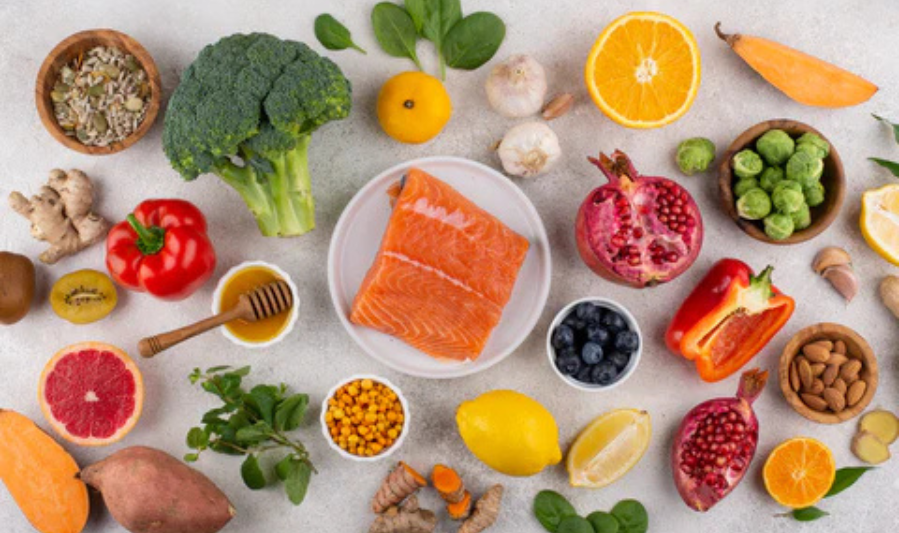
Adequate intake of certain vitamins and minerals is essential for optimal energy production, metabolism, and overall vitality. These nutrients help convert food into energy, support muscle and brain function, and reduce fatigue.
3.1 B-Complex Vitamins
Role:
B vitamins act as cofactors in metabolic pathways that convert carbohydrates, fats, and proteins into energy.
Benefits:
- Support metabolism and cellular energy production
- Enhance brain function and focus
- Reduce fatigue and support nervous system health
Food sources and supplements:
- Whole grains, eggs, dairy, meat, legumes, leafy greens
- Available as standalone B-complex supplements or in multivitamins
3.2 Vitamin C
Role:
Vitamin C is a potent antioxidant that protects cells from oxidative stress and supports iron absorption, which is critical for oxygen transport in the blood.
Energy-boosting benefits:
- Supports immune function to prevent illness-related fatigue
- Enhances iron availability, improving oxygen delivery to tissues
Food sources:
- Citrus fruits, strawberries, kiwi, bell peppers, broccoli
3.3 Vitamin D
Role:
Vitamin D contributes to muscle function, immunity, and mood regulation.
Connection to fatigue:
- Low vitamin D levels are linked to tiredness, muscle weakness, and reduced energy
- Supplementation can help restore energy in individuals with deficiency
Sources:
- Sunlight exposure, fatty fish, fortified dairy, or supplements
3.4 Iron
Importance:
Iron is a critical component of hemoglobin, the protein responsible for carrying oxygen to cells, which is essential for energy production.
Deficiency symptoms and impact:
- Fatigue, weakness, pale skin, shortness of breath
- Impaired physical and mental performance
Sources:
- Red meat, poultry, lentils, spinach, fortified cereals
- Iron supplements may be needed under medical guidance
3.5 Magnesium
Role:
Magnesium is involved in ATP production, the body’s primary energy molecule, and supports nerve and muscle function.
Benefits:
- Enhances energy production at the cellular level
- Supports muscle relaxation, reduces cramps, and improves sleep quality
Sources:
- Nuts, seeds, whole grains, leafy greens
- Supplements available as magnesium citrate, glycinate, or oxide
3.6 Additional Vitamins & Minerals
Other nutrients that support energy include:
- Vitamin E: Antioxidant protecting cells from oxidative damage
- Coenzyme Q10 (CoQ10): Helps mitochondria produce cellular energy
- Electrolytes (sodium, potassium, calcium): Maintain hydration and support energy metabolism
Maintaining hydration and balanced electrolytes is essential, as even mild dehydration can reduce energy and mental focus.
How to Incorporate Vitamin Support Into Your Daily Routine
Maximizing energy levels requires both adequate nutrient intake and healthy lifestyle habits. Here’s how to effectively include vitamin support in your daily routine:
1. Eat a Balanced Diet Rich in Energy-Boosting Nutrients
- Include foods high in B vitamins, vitamin C, iron, magnesium, and other energy-supporting nutrients.
- Focus on whole grains, lean proteins, nuts, seeds, fruits, and vegetables to provide sustained energy throughout the day.
- A nutrient-rich diet forms the foundation for energy and reduces reliance on supplements alone.
2. Use High-Quality Vitamin Supplements When Needed
- If your diet lacks certain nutrients, consider high-quality multivitamins or targeted supplements (e.g., B-complex, iron, vitamin D).
- Choose products with verified quality, accurate dosages, and third-party testing to ensure safety and effectiveness.
3. Timing of Vitamin Intake
- Morning: Water-soluble vitamins like B-complex and vitamin C are best taken in the morning to support metabolism and alertness.
- With meals: Fat-soluble vitamins (A, D, E, K) are better absorbed when taken with food containing healthy fats.
- Avoid late-night high-stimulant supplements that could disrupt sleep, as poor sleep lowers energy levels.
4. Pair Fat-Soluble Vitamins with Meals
- Include healthy fats like avocado, nuts, seeds, or olive oil when taking fat-soluble vitamins.
- Proper absorption ensures these vitamins can effectively support energy metabolism, immunity, and overall health.
5. Combine Vitamins With Sleep, Hydration, and Exercise
- Sleep: Adequate rest allows the body to restore energy and repair cells.
- Hydration: Water and electrolytes are essential for cellular energy production.
- Exercise: Regular physical activity improves mitochondrial function and overall stamina.
Integrating vitamins with these lifestyle habits creates a synergistic effect, boosting energy naturally and maintaining long-term vitality.
You may also like to read these posts:
Tech Giant Google Launches Budget-Friendly Pixel 10a
Dog Care Tips: Essential Guide for a Happy and Healthy Pet
Pet Dental Care Tips: Keep Your Dog and Cat’s Teeth Healthy
Beginner’s Guide to Whey Protein: Benefits, Types & How to Use
Natural Food Sources to Boost Energy
Incorporating nutrient-rich foods into your diet is one of the most effective ways to naturally increase energy levels. Here are key food sources for energy-supporting vitamins and minerals:
1. Fruits and Vegetables Rich in Vitamin C
Vitamin C enhances iron absorption, supports immune function, and reduces oxidative stress, all of which contribute to better energy.
Examples:
- Citrus fruits: oranges, lemons, grapefruits
- Berries: strawberries, blueberries
- Kiwi, bell peppers, broccoli, spinach
2. Whole Grains and Legumes for B Vitamins
B-complex vitamins play a central role in converting carbohydrates, fats, and proteins into energy.
Examples:
- Whole grains: oats, brown rice, quinoa, whole wheat
- Legumes: lentils, chickpeas, black beans
- Fortified cereals and nutritional yeast
3. Lean Meats and Leafy Greens for Iron and Magnesium
Iron is crucial for oxygen transport, and magnesium supports ATP production, both vital for sustained energy.
Examples:
- Lean meats: chicken, turkey, beef
- Leafy greens: spinach, kale, Swiss chard
- Legumes and seeds for plant-based sources
4. Nuts, Seeds, and Healthy Fats for Vitamin E and Absorption
Vitamin E is an antioxidant that protects cells from damage and fat-soluble vitamins require dietary fat for proper absorption.
Examples:
- Nuts: almonds, hazelnuts, walnuts
- Seeds: sunflower seeds, pumpkin seeds
- Healthy oils: olive oil, avocado
Faqs:
Which vitamins are best for boosting energy?
The most effective vitamins for energy include B-complex vitamins, vitamin C, vitamin D, magnesium, and iron, as they help the body convert food into fuel and reduce fatigue.
Can vitamin supplements really increase energy levels?
Yes, when taken consistently, vitamins and minerals support cellular energy production, improve stamina, and help reduce tiredness caused by deficiencies.
When is the best time to take vitamins for energy?
B vitamins are best taken in the morning or with breakfast to help sustain energy throughout the day. Fat-soluble vitamins like D or E should be taken with meals containing healthy fats.
Are vitamin supplements safe for long-term use?
Yes, when taken at recommended doses. Overconsumption can cause side effects, so it’s important to follow the label instructions or consult a healthcare professional.
Can children or seniors benefit from vitamins for energy?
Yes, age-appropriate vitamin supplements can help children and seniors maintain energy levels, focus, and overall vitality. Always choose formulations designed for their age group.
Conclusion
Maintaining high energy levels throughout the day is essential for productivity, focus, and overall wellness. Vitamin support for energy boost plays a key role in helping the body convert food into fuel, reduce fatigue, and sustain mental and physical performance.
Nutrients such as B-complex vitamins, vitamin C, vitamin D, magnesium, and iron are vital for energy metabolism, oxygen transport, and reducing tiredness. By combining these vitamins with a balanced diet, regular exercise, proper sleep, and stress management, you can naturally enhance your stamina, alertness, and vitality.